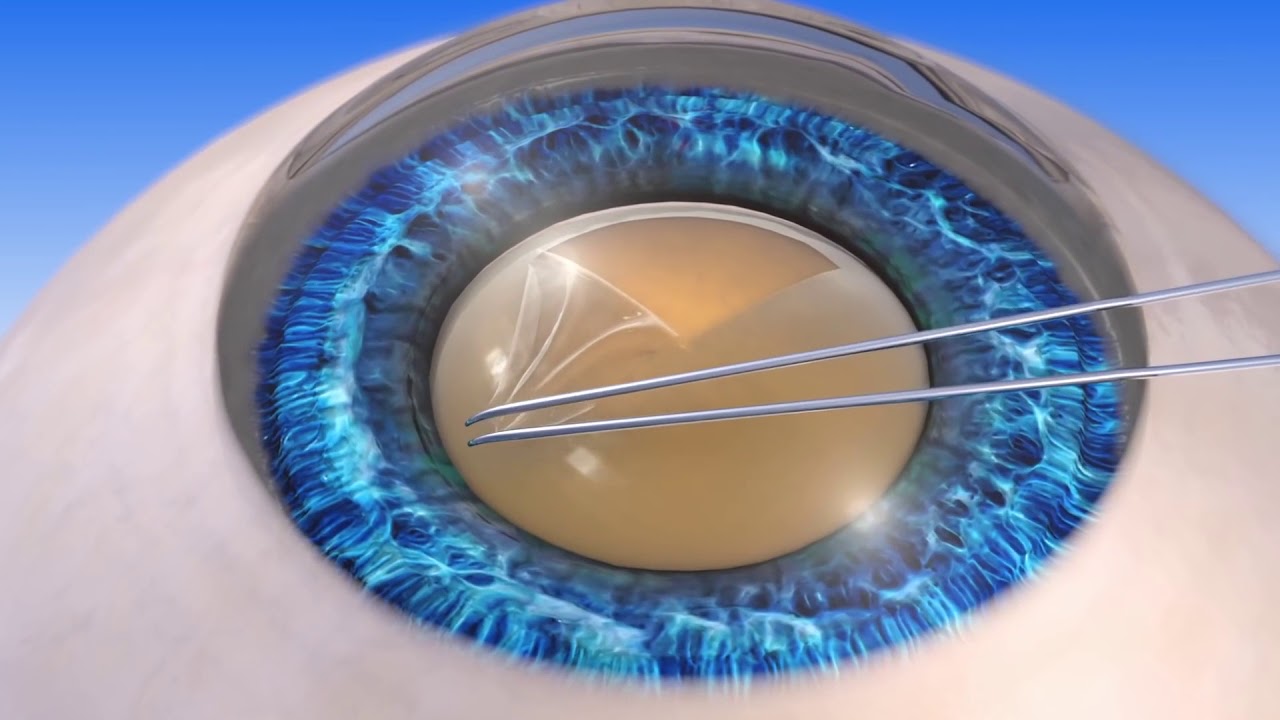
In case as one of one of the millions dealing having visual impairment and the challenges of aging, lens replacement surgery might offer a hopeful solution. This forward-thinking process is emerging as an widely accepted substitute for regular vision correction methods, offering an opportunity to regain visual clarity bypassing the hassle of eyewear and contact lenses. With advancements in technology, lens replacement surgery is transforming the perspective on corrective vision procedures, thus becoming a realistic choice for people across different life stages, particularly for individuals over 45 who frequently encounter challenges like difficulty focusing on close objects as well as clouding of the lens.
Advantages of lens replacement surgery go beyond simple eyesight improvements. A significant number of patients report improved clarity as well as contrast improvement, enhanced night vision, along with a notable decrease in bright light disturbances along with light halos that might be present in conventional correction methods. With options like premium intraocular lens implants and personalized vision solutions adapted for specific requirements, the procedure can deliver customized results that align with your lifestyle. If you are someone who is active in need of sports vision or you would like to experience life absent of eyewear, considering the procedure of lens replacement could be your pathway to a brighter, clearer future.
Comparing Lens Replacement Alternatives
When considering lens replacement surgery, clients are often faced with a number of solutions adapted to their specific vision needs. RLE is one frequent option, especially suitable for those 45 and older, who may experience age-related vision issues or require treatment of nearsightedness or hyperopia. RLE entails taking out the eye's innate lens and replacing it with a premium IOL engineered to enhance sight at multiple distances. This option is particularly beneficial for patients looking for a sustainable solution to their vision issues.
Another significant choice is the placement of custom lens solutions, such as ICLs. Dissimilar to traditional lens replacement, ICLs are inserted posterior to the iris and anterior to the natural lens, preserving the eye's innate structure while providing visual correction. This is notably advantageous for those with high myopia or farsightedness who may not be suitable candidates for LASIK or RLE. Tailored lens replacement surgery can also enhance field of vision, minimize halos and glare, and enhance general contrast sensitivity, rendering it a viable option for several patients.
As individuals assess their options, it is important to think about the financial aspects connected with various lens replacement solutions. Recommended Webpage -quality intraocular lenses often come at a increased cost due to their enhanced features and benefits, which may not be included by medical insurance. Comparing the sustained benefits of each choice, including possible enhancement in living standards and the financial implications of continuous corrective eyewear, is important for arriving at an knowledgeable decision. Whether selecting RLE or ICLs, the correct lens replacement option can greatly transform a patient's vision and lifestyle.
Advantages of Innovative Lens Technologies
Cutting-edge lens technologies have revolutionized vision correction, giving patients a variety of options that improve their visual experience. Premium intraocular lenses, such as multifocal and long-range lenses, provide clear vision at multiple distances, lowering the dependence on glasses for activities like looking at books, using digital devices, and driving. These lenses are designed to improve both near and far vision, making them a favored choice for those undergoing lens replacement surgery.
A further significant advantage of contemporary lens technologies is the customization available for unique patients. With Eliminate Reading Glasses With Lens Replacement , surgeons can tailor the lens choice to each patient's individual visual needs and lifestyle. For those who pursue active lifestyles or engage in sports, specialized lenses can diminish glare and boost contrast sensitivity, promising optimal performance in various environments. This personalization improves patient satisfaction and overall success from the procedure.
Furthermore, innovations like flexible lenses allow patients to adjust their vision after the surgery. This flexibility offers an unmatched level of control over visual results, as the lenses can be adjusted based on personal preferences and changing vision needs. These advancements contribute to a better quality of life by providing clear vision and allowing patients to enjoy their beloved activities without the hindrance of glasses or contact lenses.
Factors for Various Vision Requirements
As considering lens replacement surgery, it is crucial to evaluate specific vision needs and goals. For patients facing with high hyperopia or significant myopia, lens replacement surgery can provide a lasting solution by effectively correcting these extreme refractive errors. Tailored lens options, including premium intraocular lens implants, provide superior visual outcomes customized to the particular refractive requirements. Understanding whether to opt for conventional or cutting-edge lens types, for example multifocal or light adjustable lenses, is vital in achieving the best results.
For individuals who are 45 and older, presbyopia is a significant factor, thus necessitating to select a lens that addresses both distance and near vision. Trifocal IOLs and extended depth of focus (EDOF) lenses are common choices that can offer seamless vision across different distances. Premium Vision Outcomes permit active individuals to take part in sports and daily activities without the hassle of glasses, ensuring that vision correction aligns with their lifestyle.
Additionally, patients with pre-existing conditions, like dry eyes, should discuss these matters with their surgeon before receiving lens replacement surgery. It is essential to consider factors like contrast sensitivity, halos, and glare that may occur post-surgery. Custom lens replacement surgery allows for adjustments adapted to specific vision needs, which enables a better decision-making process and focused on achieving the best visual clarity for daily life.
Cost and Accessibility of Refractive Lens Exchange
Lens replacement surgery, often referred to as refractive lens exchange, can vary significantly in cost depending on various factors. The typical price for the procedure, including premium intraocular lens implants, typically ranges from three to six thousand dollars per eye. This cost encompasses the surgery, sedation, and aftercare. Patients seeking custom vision correction may face elevated fees, particularly if they opt for innovative technologies such as the light adjustable lens or triple focus lens options, which offer superior visual results.
When considering access, patients should be aware that many coverage options do not cover lens replacement surgery unless it is deemed medically necessary, such as in cases of lens opacity. It is crucial to consult with insurance companies to understand coverage options and potential costs. Additionally, certain healthcare facilities or surgical centers may offer payment plans to help make the procedure more manageable for patients without insurance coverage.
To minimize costs, patients can look for medical facilities that offer discounts, particularly for those undergoing surgery in multiple sessions or for bilateral procedures. Engaging in detailed investigation and comparing different providers can provide insight into where to find the best value for lens replacement surgery, ensuring that individuals not only achieve their desired visual clarity but also feel financially comfortable in eye health.